Visit to Blaenavon Ironworks

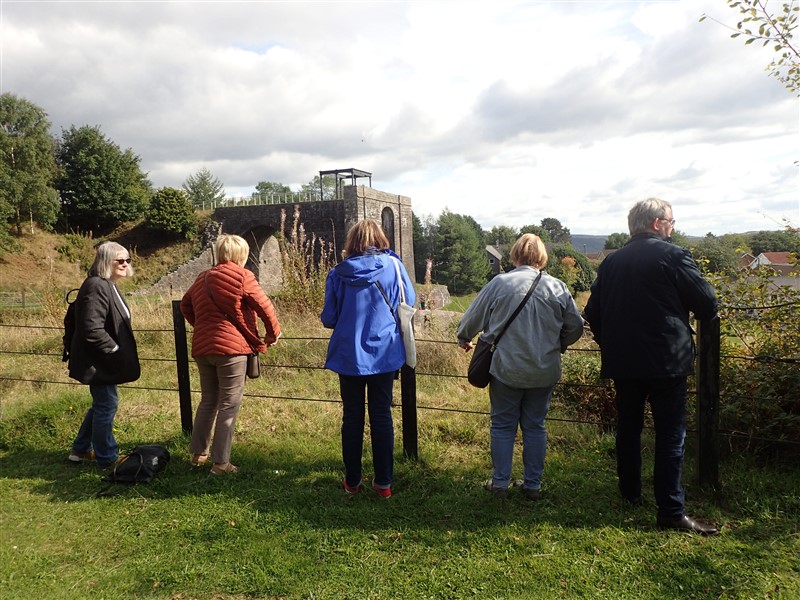
On Sunday September 18th 2020 a group of Llanelli Community Heritage members visited the UNESCO World Heritage site at Blaenavon to see the centre of Wales’ industrial revolution.

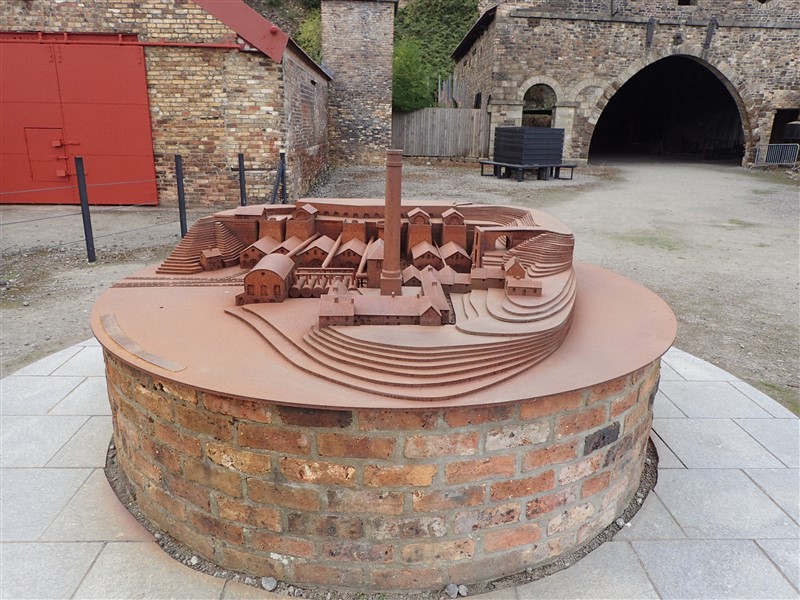
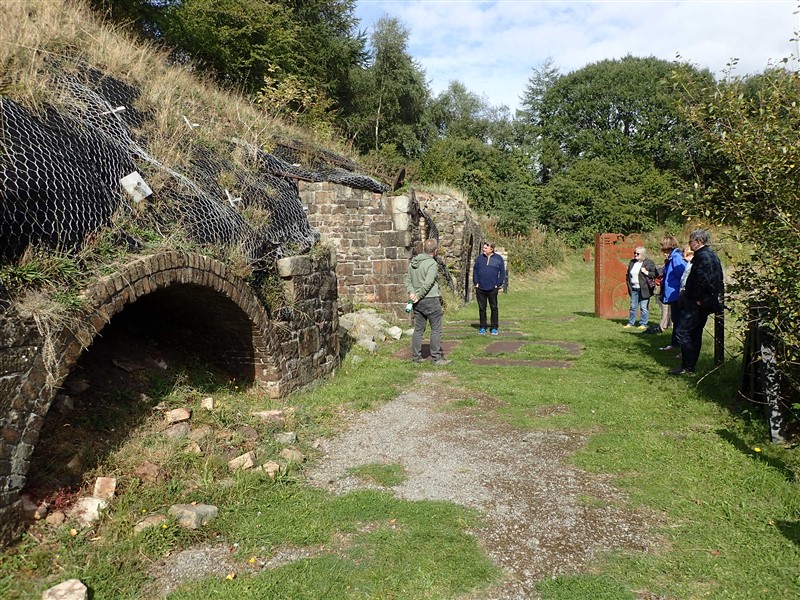
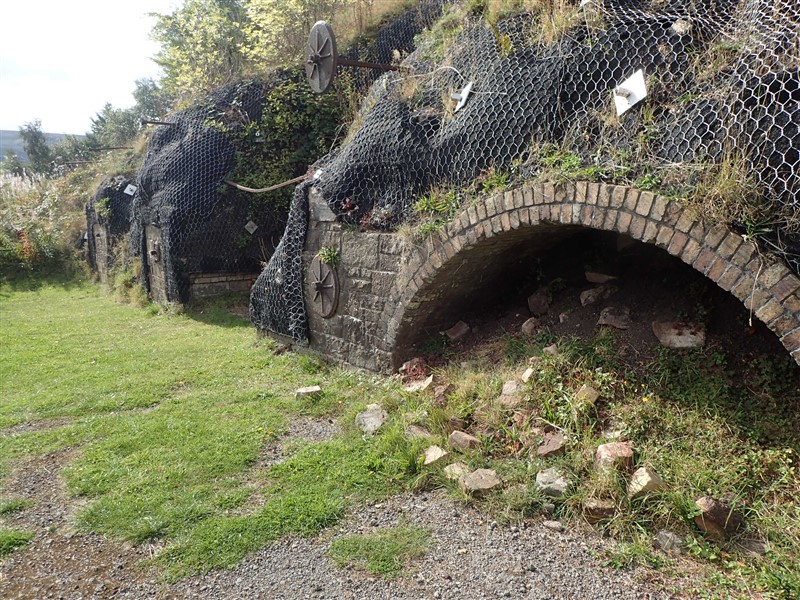
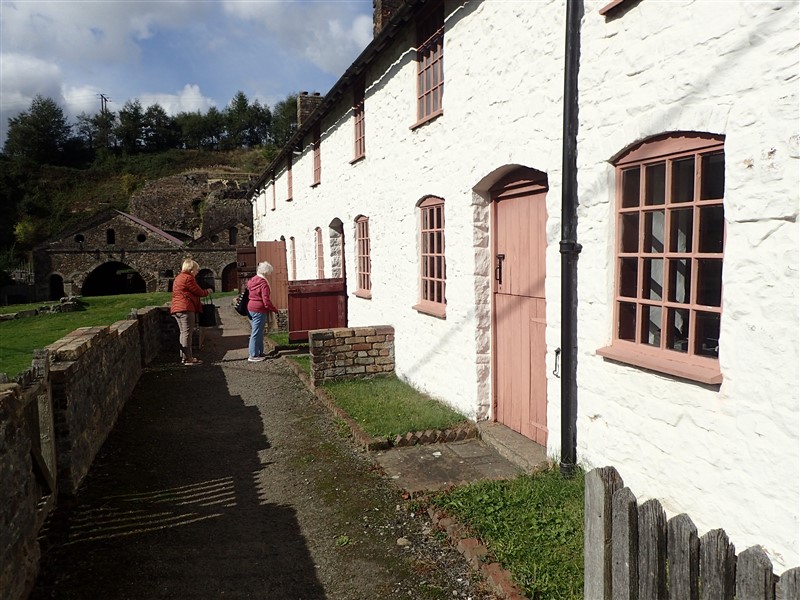
On arrival we received a warm welcome from the staff at the entrance foyer, where we were met by Mike, our volunteer guide for the day. The tour began with a description of the site using a scale model, appropriately made of steel. Our first port of call was the cast house, where goods such as pig iron ingots, fireplaces, wheels and tram plates etc. were manufactured from iron produced in the nearby blast furnaces. We continued with a look at the balance tower, the calcining kilns, and then a visit to the cottages of Stack Square and Engine Row.

The whole experience of the site was much enhanced by the deep knowledge of Mike, our sterling guide, and his comprehensive narrative of the history of Blaenavon.

Lat: 51 46 37 51.7769 Lon: 03 05 18 3.0883

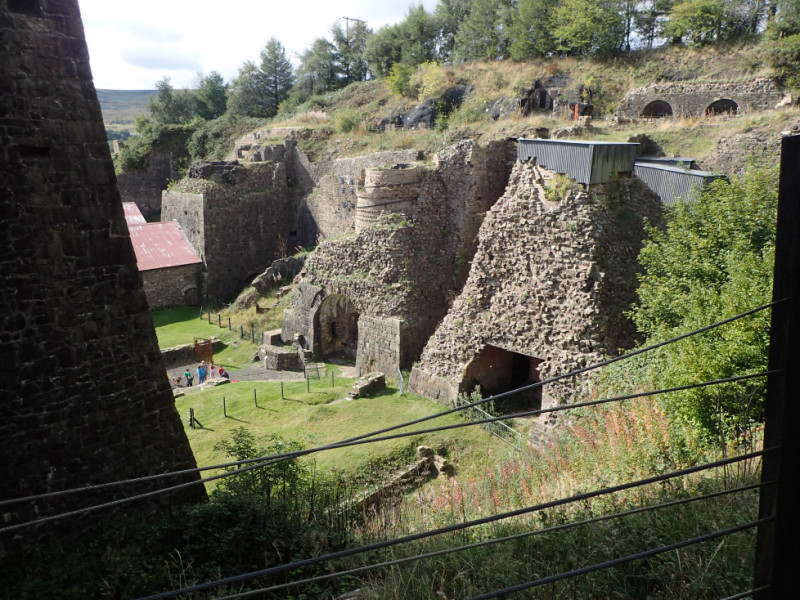
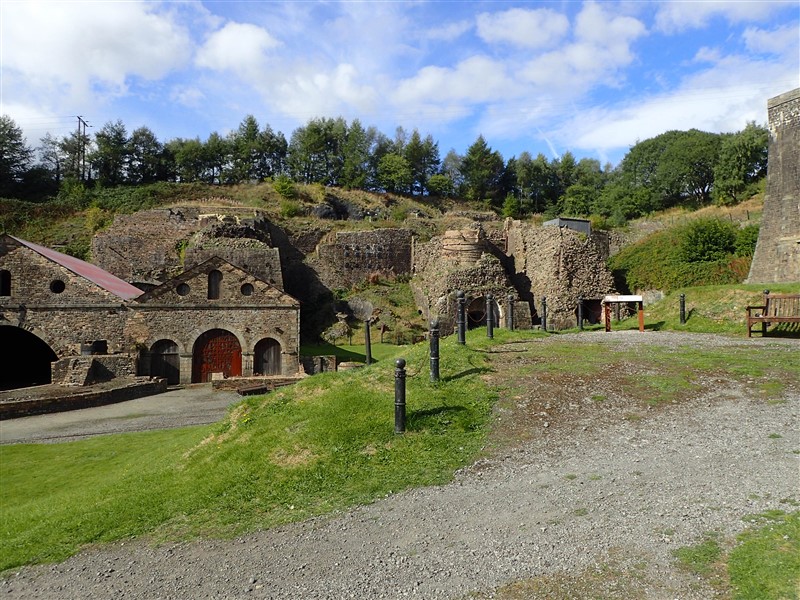
Steel model illustrating the Ironworks in 1863, this was the largest size the works reached with 6 working blast furnacesThe remaining 4 blast furnace structures, the nearest furnace 5 built 1807, 4 1805, 6 built 1860 and furnace 2 the only original remaining 1789 furnace.The upper yard, where the 3 raw materials were prepared to be charged into the furnace tops: coal converted to coke, limestone broken into lumps and the calcining ovens/kilns for heating the iron ore to remove sulphur ensuring the ore's iron was in the form of iron oxide, that would be reduced to iron in the blast furnace

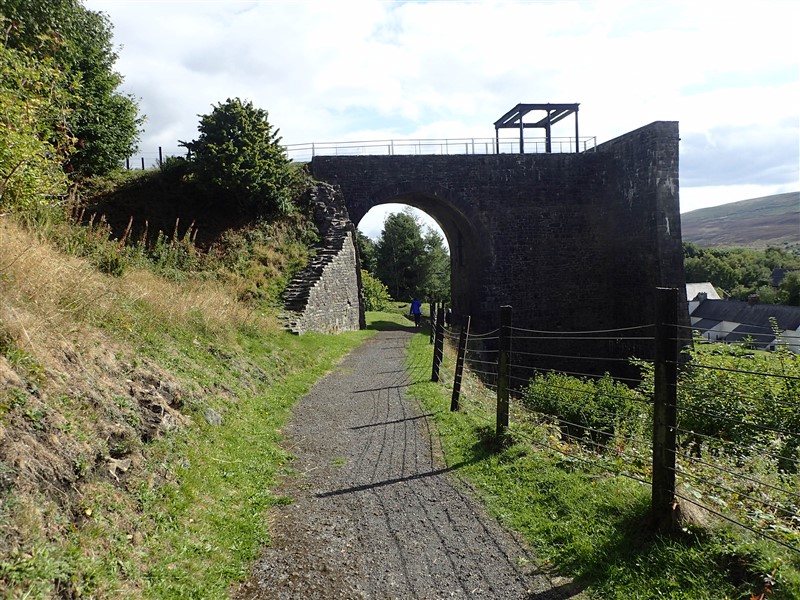
As per image 3View from the upper yard towards the top of the water balance tower; a fine, and at the time, an impressive but expensive piece of Victorian engineering.Walking towards the water balance tower from the upper yard. Above the path can be seen the stone bridge linking the tower to the tram-rail-track that once carried the 'pig iron' from the works down to the Brecon to Newport canal.

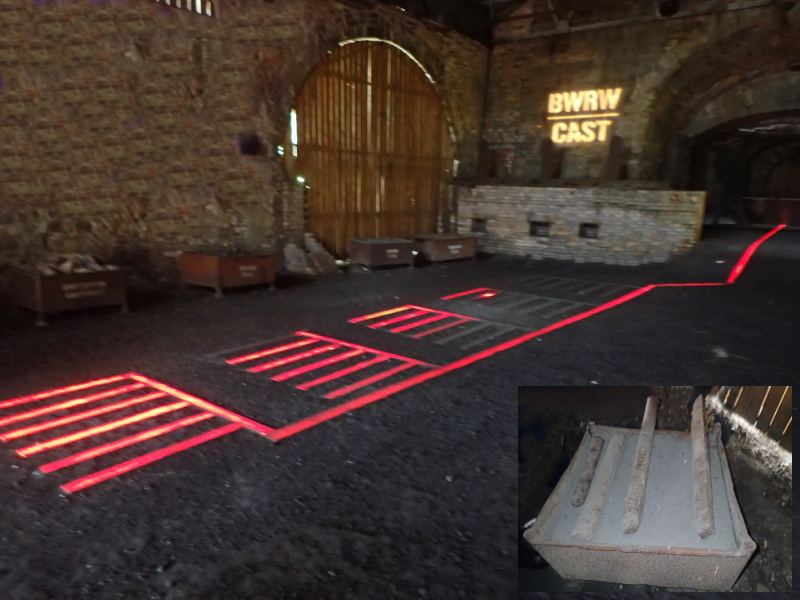
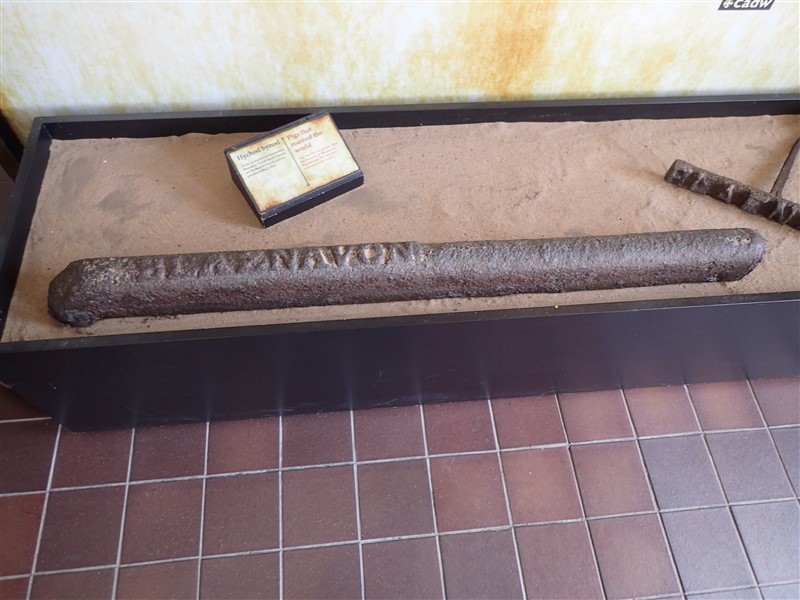
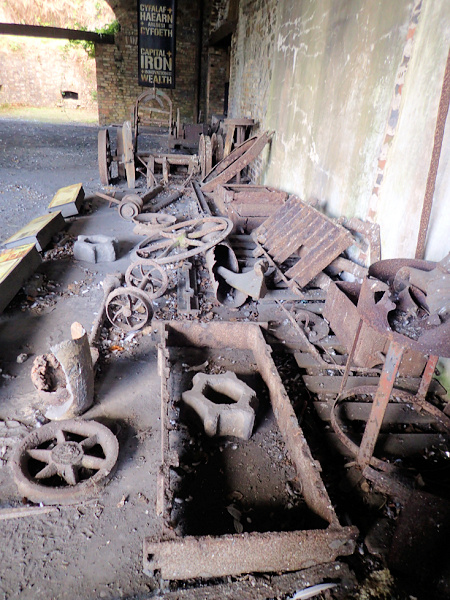
Inside the cast house of furnace number 2, the dynamic visual display shows how on 'tapping the furnace' the liquid iron, at 1500°C, that was extracted from the iron ore, flowed from the furnace along the network of shallow trenches in the casting-sand covered floor. This iron cooled to form the 'pig-iron' bars.Inside the museum, one of the original bars of pig-iron with the name 'Blaenavon'. The name Blaenavon, had previously been stamped into each of the casting-sand trenches prior to casting. As the liquid iron cooled, the iron would take the exact shape of the trench and the Blaenavon name.Inside the foundry building where once, pig-iron would be remelted and cast into a wide range of objects, including different sized and shaped wheels and other equipment used in the works, or for domestic items such as fireplace surrounds, fire grates, cooking ranges, etc.

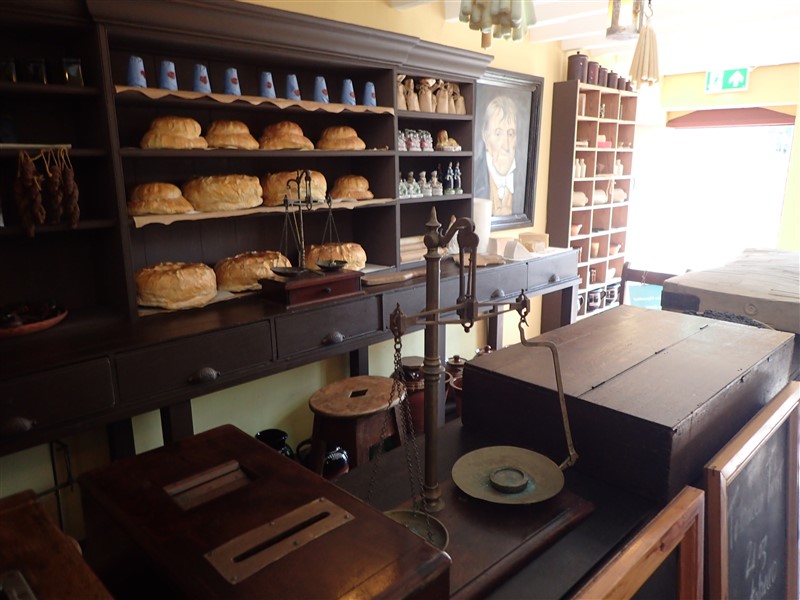
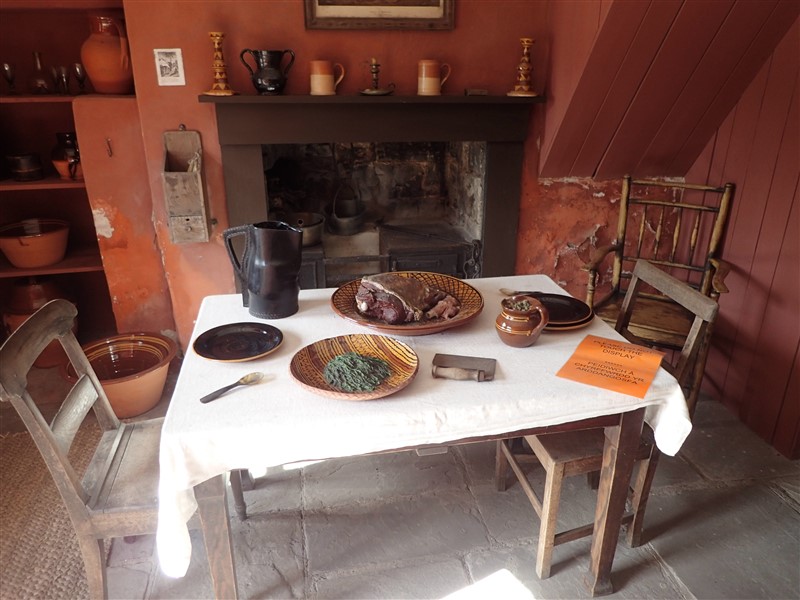
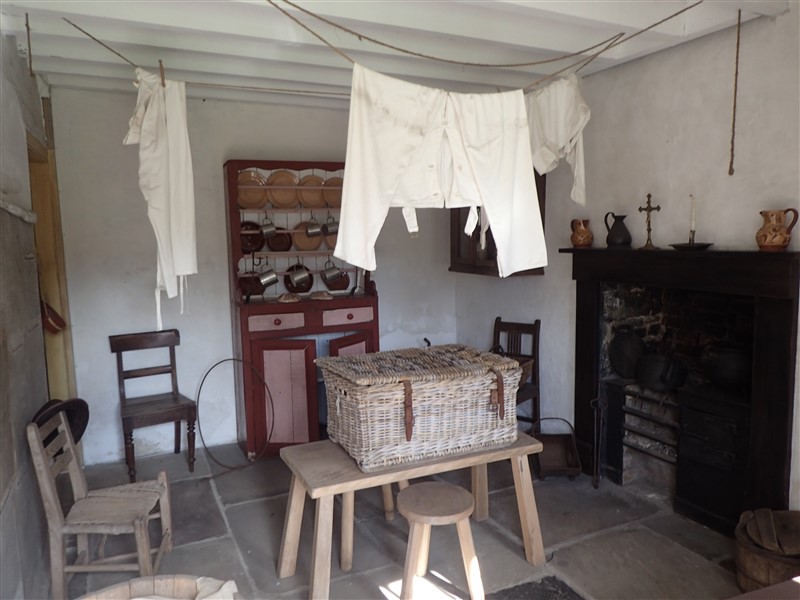
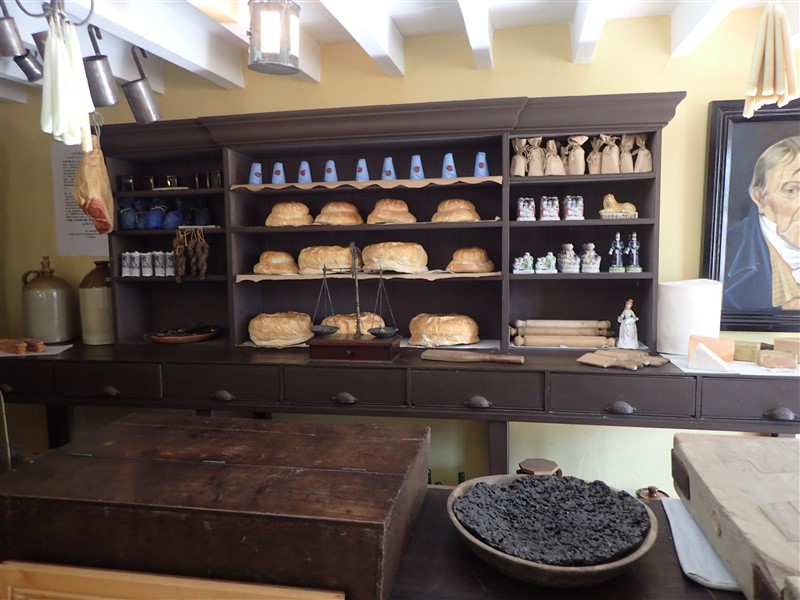
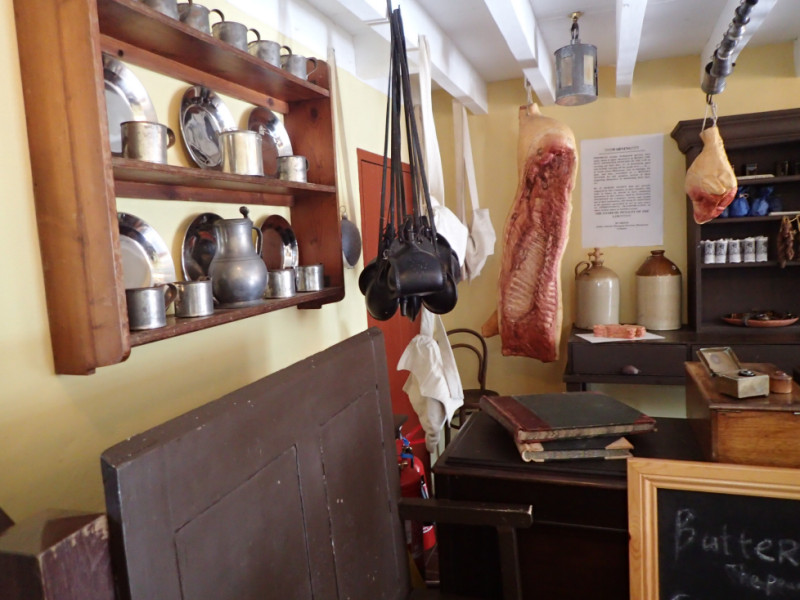
Reconstruction of the company's 'Truck or Tommy' shop from around the early 1800s. Workers had no choice but to shop here, or they risked losing their employment and home. Everything the ironmasters considered the workers needed, from food, material for making clothes, household goods, tools for work, etc. were sold, but at the inflated company prices.  View of the blast furnaces from Engine Row, showing how close people lived to the perpetual noise, fumes and smells that were produced day and night.Blaenavon Ironworks

Blaenavon IronworksBlaenavon IronworksBlaenavon Ironworks

Blaenavon Ironworks

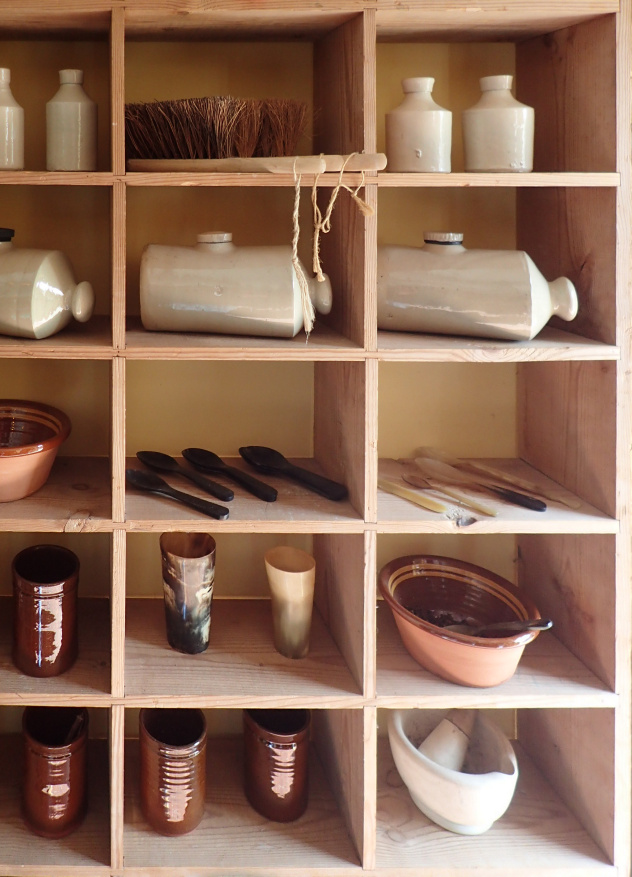
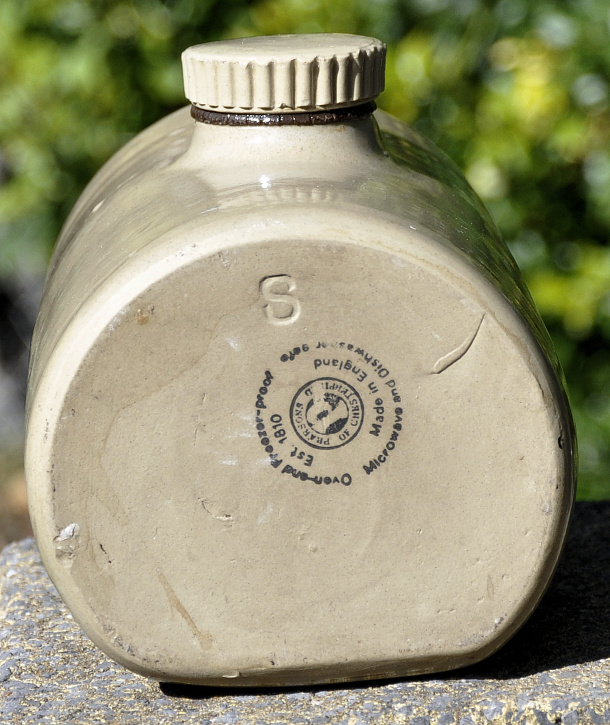
Blaenavon Ironworksfoot-warmer

Note the logo on the end of the foot warmer:
Pearsons of Chesterfield Pottery Established 1810
Microwave and dishwasher safe. Oven and freezer proof

Pearsons closed in 1994, the warmer in the picture is from the early 1950s and had likely been produced in the same way for decades and simply had the logo added when the new technology arrived. Microwaves at this time were in their infancy.

LCH0395